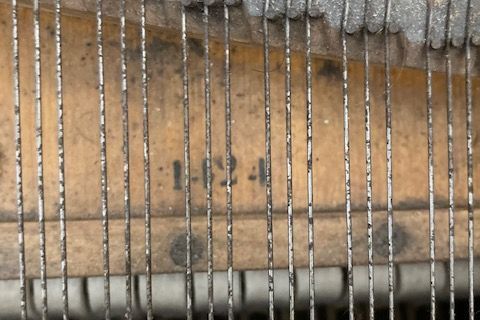
The piano
The piano is a complex mechanism made of thousands of wooden, felt, and metal parts, subjected to several tons of tension. Regular maintenance is not just about pitch; it is the guarantee of your instrument's longevity and your playing enjoyment.
As an art craftsman, I bring meticulous care to every intervention, from upright study pianos to concert grands, providing a systematic technical diagnosis.
Beyond upright and grand pianos, my expertise as an art craftsman also extends to plucked string instruments. This technical precision allows me to ensure the maintenance and regulation of harpsichords and spinets. Whether for a plectrum replacement, voicing, or mechanical maintenance, I apply the same rigor to the service of early and baroque music.
As piano tuner & technician, I carry out major restoration work and complex maintenance directly at my workshop located in Montpon-Ménestérol 24700. For on-site services, I regularly intervene within a local radius around Montpon.
To optimize travel costs, I also organize scheduled group service tours in my three key sectors: around Pau and Oloron (Béarn 64), as well as around Bellême (Orne 61) and Le Mans (Sarthe 72).
Piano tuning
It is recommended to have your piano tuned at least once or twice a year to maintain optimal string tension and preserve the instrument's harmonic accuracy. The ideal frequency may vary depending on how much the piano is played and the humidity fluctuations in its environment.
This routine maintenance also provides an opportunity to inspect the entire instrument, perform quick minor repairs, and diagnose future maintenance needs—whether they involve pre-adjustments, full regulation, repairs, or restorations.
For instruments that haven't been tuned in a long time: One or more pitch raises may be necessary before the final tuning to bring the piano back to standard pitch.
A Note on Fragility: During any tuning intervention, even when performed with the utmost care, there is a risk that one or more strings may break. This risk is higher if the strings show signs of rust or if the instrument has been neglected for many years.
Mechanical Health: Regular tuning often helps detect the need for mechanical regulation or specific piano repairs before they become major issues.
Does your piano need tuning? Schedule your service now.
Frequently asked questions about your instrument's maintenance
How often should a piano be tuned ?
- To guarantee tuning stability and the integrity of the harmonic structure, it is recommended to have your piano tuned at least once a year.
Why does my piano go out of tune ?
- A piano is primarily composed of wood and metal—materials that are highly sensitive to seasonal changes. Heating in the winter and humidity in the summer cause the soundboard to expand and contract, which alters the tension of the strings. Intensive use or moving the instrument can also influence its pitch and stability.
What is a "pitch raise" and when is it necessary ?
- If a piano has not been tuned for several years, its overall tension has dropped. A pitch raise is a preliminary intervention that consists of increasing the tension of the strings before performing the final tuning. This is an essential step to ensure the instrument can hold its pitch at A 440 Hz.
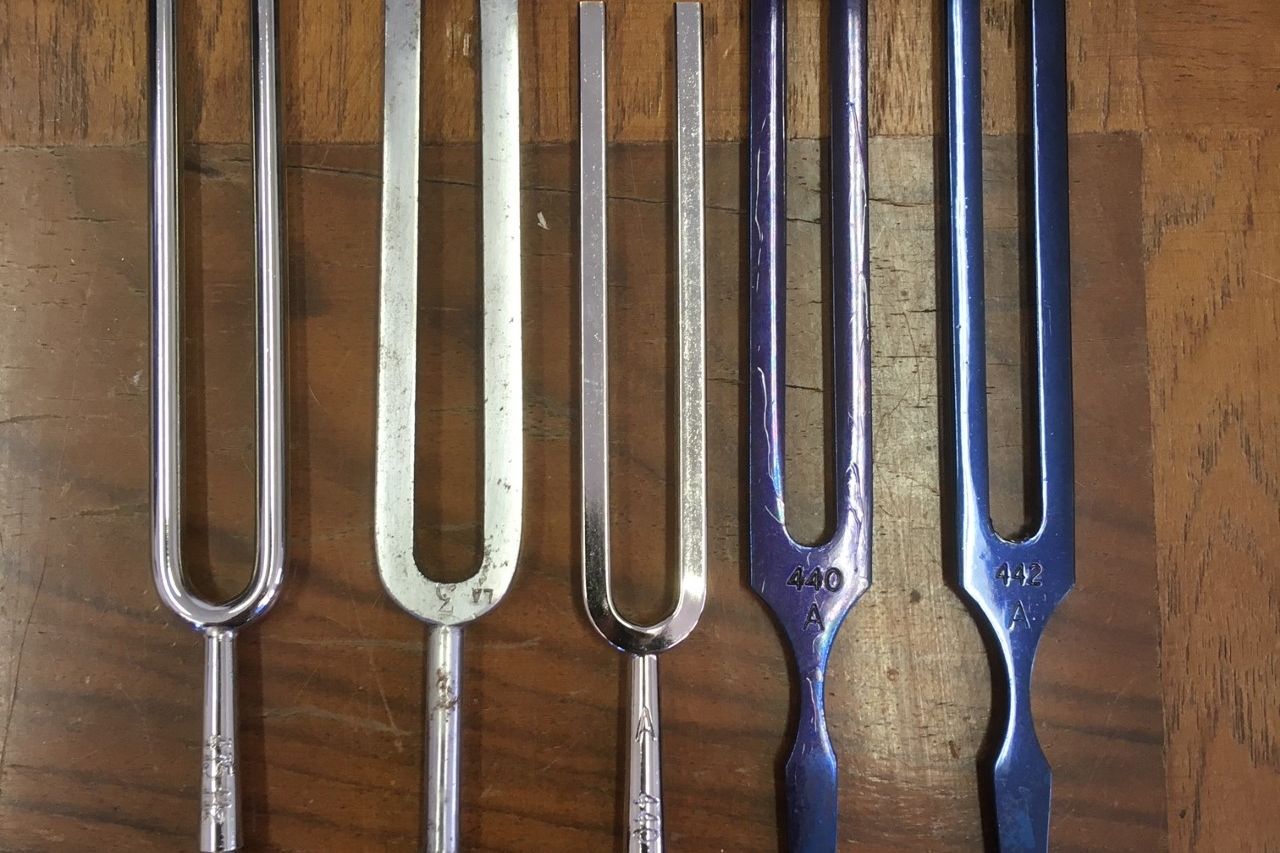
Pitch raising
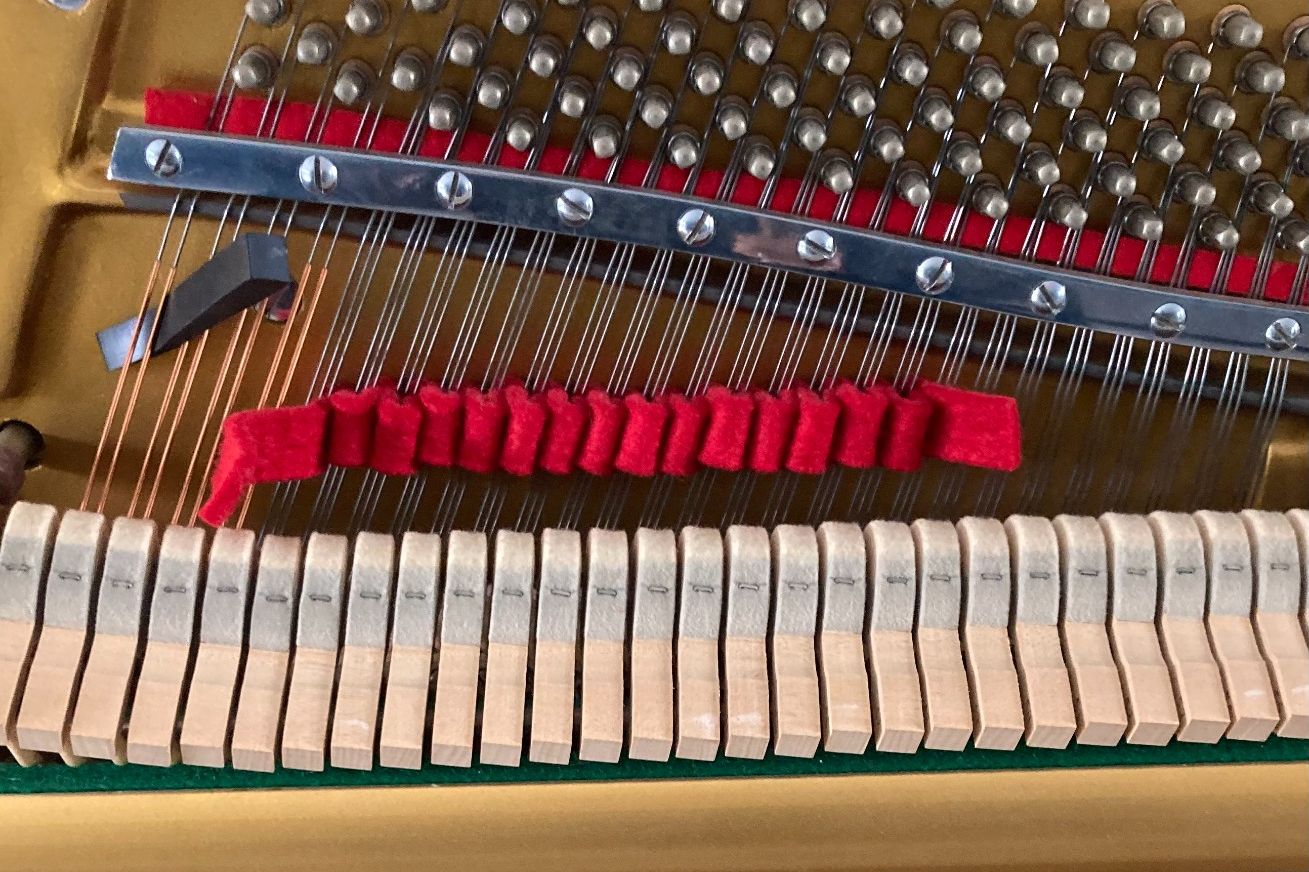
Tuning